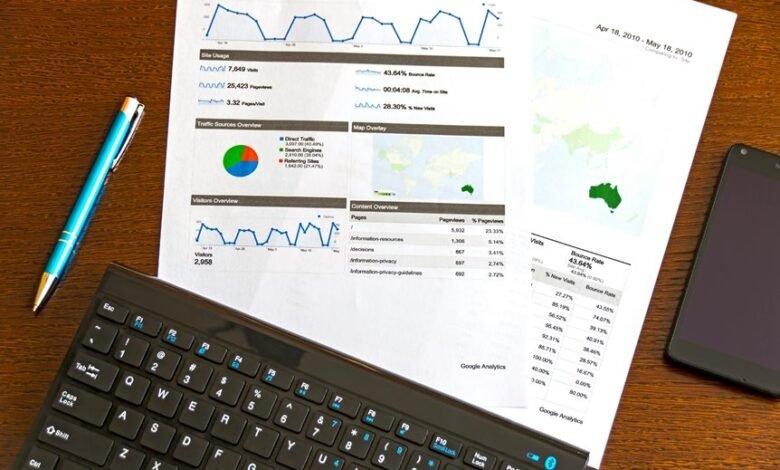
The analysis of phone numbers 7746018286, 7785895126, 7808338286, 7865381216, 8008298310, and 8148746286 reveals significant patterns in communication behaviors and ownership. Call frequency and duration metrics suggest that caller identity plays a crucial role in interactions. Additionally, a closer examination of geographical distribution indicates a trend towards concentrated usage in urban settings. These findings raise questions about the implications for service accessibility and regional engagement strategies. Further exploration is warranted.
Call Frequency Analysis
Although call frequency can vary significantly across different demographics and contexts, analyzing this data reveals important patterns in communication behavior.
Notably, call duration often correlates with caller identity, influencing the likelihood of repeat interactions.
Understanding these dynamics can empower individuals to make informed choices about their communications, fostering a sense of autonomy in how they engage with others in an increasingly connected world.
Geographical Distribution
The geographical distribution of phone numbers plays a crucial role in understanding communication patterns across different regions.
Urban density analysis reveals that densely populated areas exhibit higher phone number concentrations, influencing regional trends in connectivity.
This data enables stakeholders to assess the effectiveness of communication infrastructure and to identify opportunities for enhancing accessibility in less populated regions, ultimately fostering greater freedom in communication.
Potential Ownership Insights
Understanding the geographical distribution of phone numbers sets a foundation for exploring potential ownership insights.
Analyzing ownership patterns reveals significant correlations with user demographics, indicating varying usage trends across regions. These insights help stakeholders comprehend the relationship between location and ownership, empowering them to tailor services that resonate with specific user groups.
Ultimately, this fosters an environment that values individual freedom and choice in communication.
Conclusion
In conclusion, the comprehensive analysis of call frequency, geographical distribution, and ownership insights surrounding the examined phone numbers unveils a tapestry of trends and patterns. By discerning distinctions in urban engagement and fostering focus on enhancing infrastructure, stakeholders can strategically strengthen communication connections. Such efforts can significantly stimulate service suitability, ultimately creating a more cohesive community. Thus, understanding these dynamics not only drives data-driven decisions but also deepens the dialogue within diverse demographics.